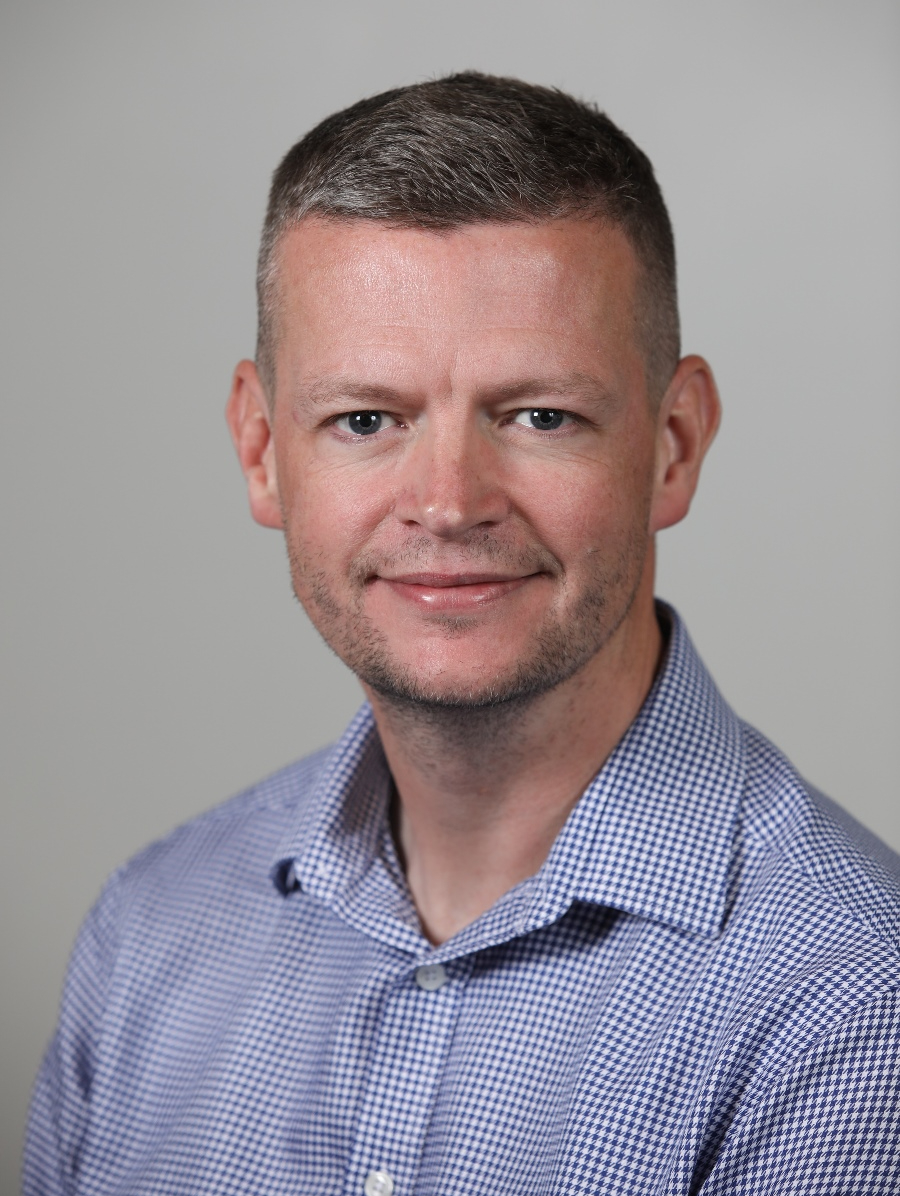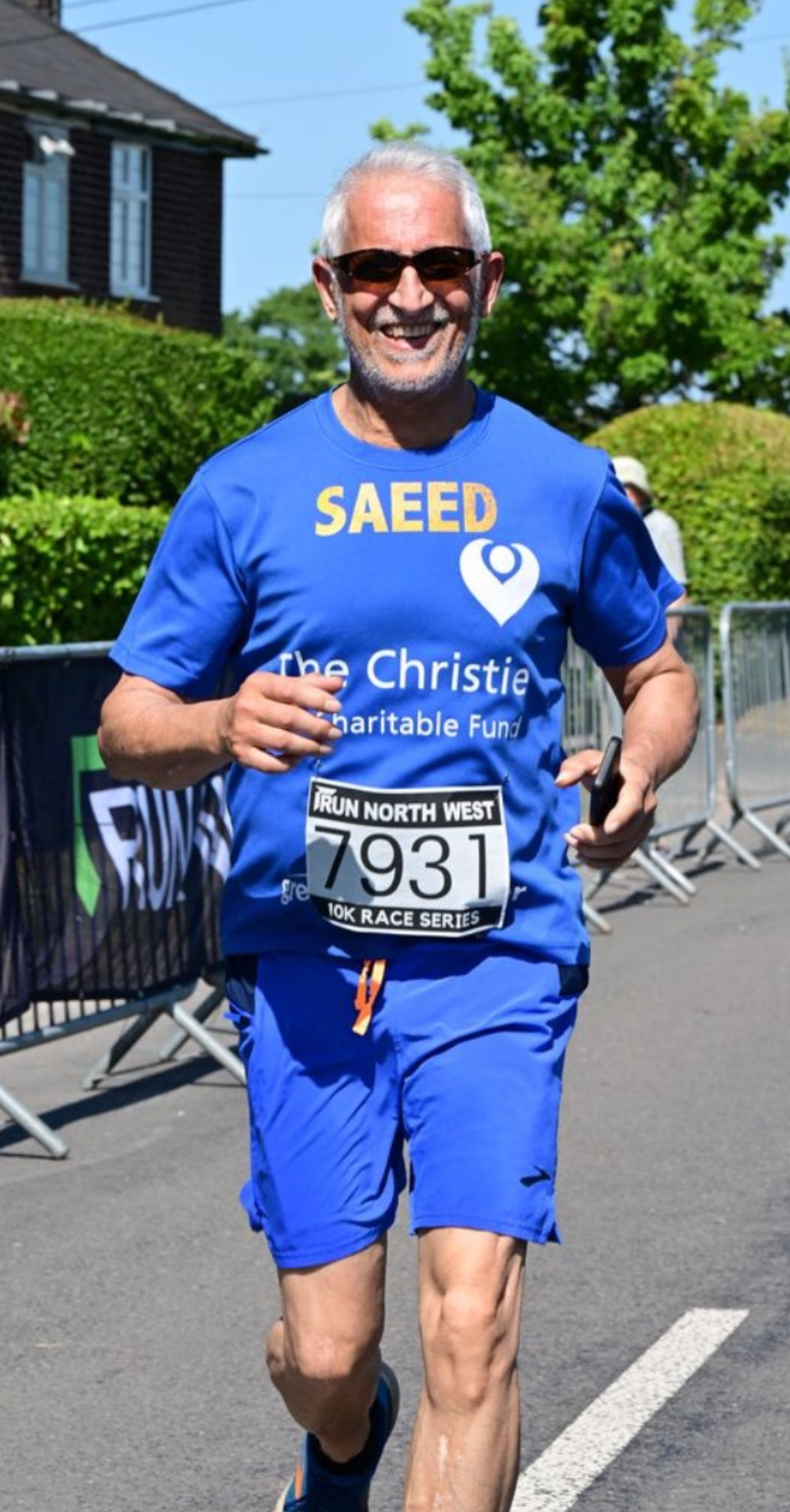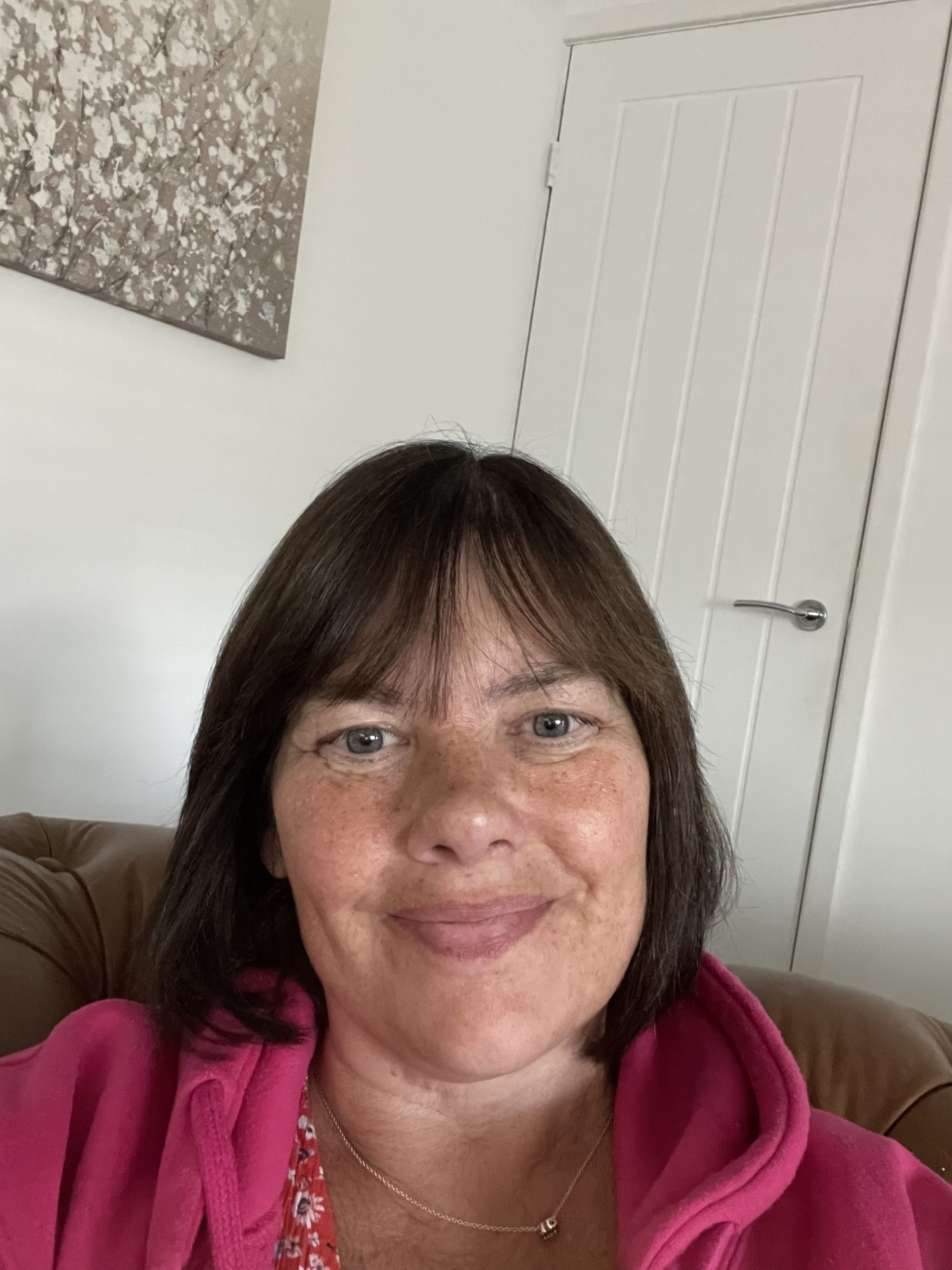

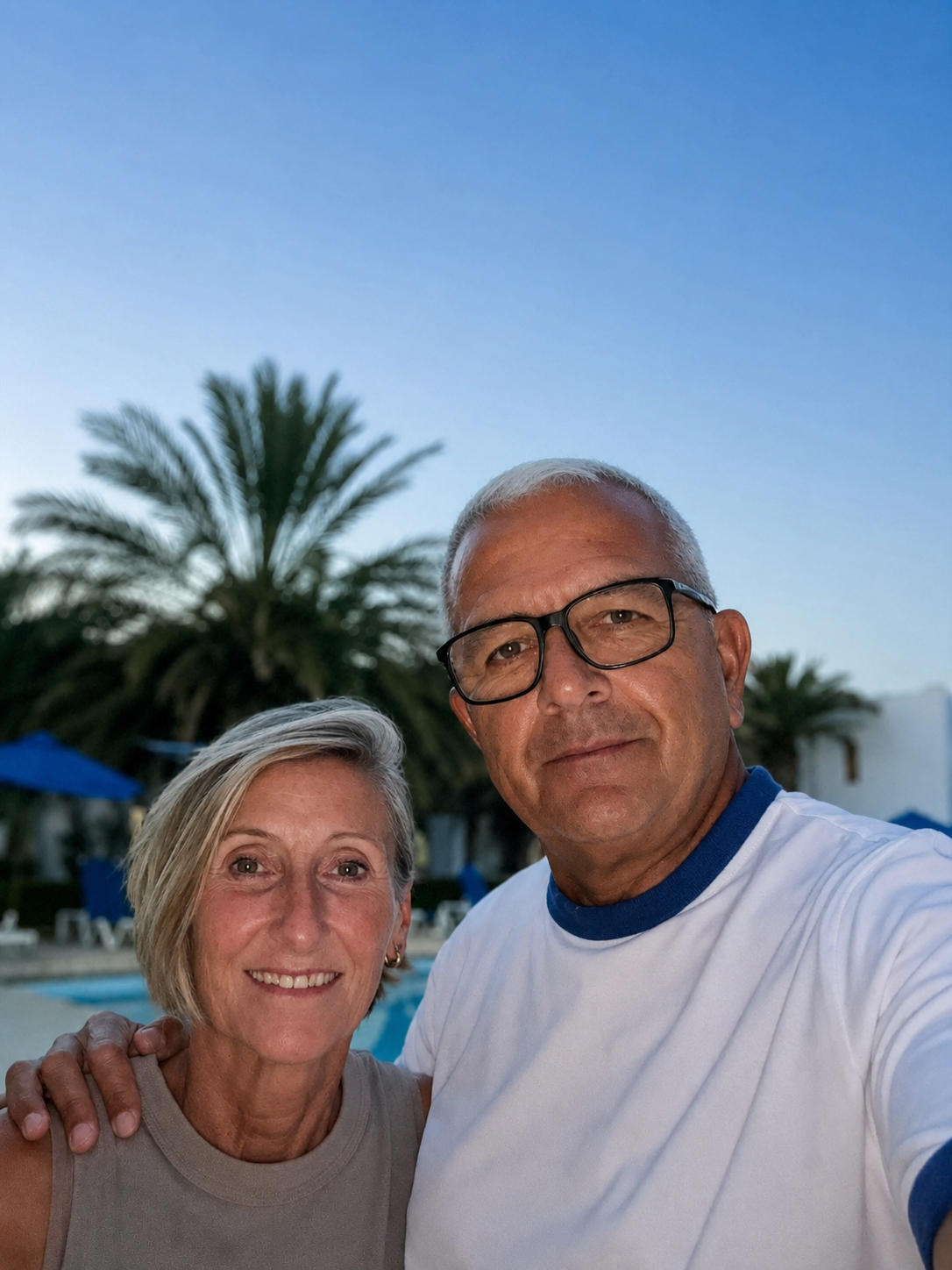
When someone is diagnosed with cancer it’s a life-changing moment for the patient and their family. Greater Manchester Cancer Alliance – part of the NHS – has a long-tradition of working with patients and carers because we believe we can’t improve cancer services, outcomes and experiences of care for patients without involving those with a lived experience of cancer. Here Stuart Kohler, 63, from Standish, in Wigan, blogs about his role as a carer representative with the Alliance’s Greater Manchester Cancer Voices community.
“When my wife Gill was diagnosed with oesophageal cancer, our world changed in an instant.
It came completely out of the blue. Cancer was something that happened to somebody else, not to us or our family.
Cancer had always seemed distant. We had lost a close friend to bowel cancer around 25 years earlier. While I was deeply saddened at the time, I now look back with a sense of regret.
I realise now how little support I gave to our friend’s partner. Until you’ve lived through it yourself, you simply don’t understand what patients and/or carers go through.
Following Gill’s diagnosis, we met with consultant surgeon Mr Sultan at Salford Royal and Mr Waddell at The Christie Hospital. We were introduced to the concept of a Multi-Disciplinary Team (MDT), where surgeons, oncologists, nurses and other specialists, for example, dieticians, meet together to develop the best possible treatment plan for each patient.
It was reassuring to know that so many experts were discussing Gill’s case and working together on her treatment.
The months that followed were dominated by hospital appointments, radiotherapy and chemotherapy.
I spent a great deal of time driving Gill to and from The Christie. Like so many carers, you just get on with whatever needs doing.
One conversation particularly stayed with me. During prehabilitation, specialists explained that the surgery Gill faced would be comparable to running a marathon.
They told her she needed to prepare for the operation in exactly the same way someone would prepare for running a marathon. That really brought home just how enormous the challenge ahead would be.
Thankfully, Gill’s surgery was successful.
But rather than simply moving on with life, the experience left me determined to help others.
I wanted to raise awareness of oesophageal cancer symptoms, but also help carers who are suddenly thrown into an unexpected situation for which they will not have prepared. Carers face an emotional and practical burden that is often overlooked. You are constantly asking yourself: Is my partner coping? Are they taking the right medication? How do I support the rest of the family? How do I manage my own emotions? How do I continue working while trying to keep everything together?” So many questions and issues to face whilst your loved one is facing their own burden and for which you also want to provide support. Sometimes what you think is important as a carer might not be the priority for your loved one.
Before retirement, I worked as a Customer Relationship Director for a Pensions Software and Pensions Administration company, with no background in healthcare.
My experience was in programme management, managing risk, finances, deadlines, relationships and governance, not medicine.
When I discovered the Greater Manchester Cancer Alliance was looking for Patient and Carer Representatives, it felt like the perfect opportunity to use those skills while giving something back.
I became involved with the Programme Assurance Group because I wanted the voice of patients and carers to be heard alongside the clinical expertise. I also felt that this would be where my skills would be best suited.
I do believe that healthcare professionals provide outstanding care, but I also think there is another perspective that only patients and carers can truly bring.
Somebody once said to me that healthcare professionals are exceptional at what they do, but most have never had cancer themselves or cared for someone living with cancer. That brings a completely different perspective.
I wanted to represent the people whose lives are turned upside down without warning. People who suddenly find themselves asking, ‘Where do we go? What happens next? How do we cope?’
Our experience was fantastic. I have nothing but admiration for the healthcare professionals who looked after Gill, and I would encourage others with lived experience to become involved in shaping cancer services.
Everybody’s cancer journey is different. By sharing your experiences, however small they may seem, you can help improve someone else’s journey.
If our experience can make things just a little easier for one family facing cancer, then everything we’ve been through will have helped create something positive from an incredibly difficult chapter in our lives.”
To find out more about becoming a member of the Greater Manchester Cancer Voices Community visit: https://gmcancer.org.uk/voices/