


A MUM-OF-TWO is encouraging women to listen to their bodies and not blame menopausal symptoms after being diagnosed with cervical cancer.
When Alicia Clarke, 43, first started experiencing symptoms of cervical cancer including vaginal discharge and severe exhaustion which she put down to the menopause and taking HRT medication.
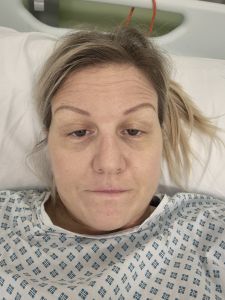 Alicia had previously had a subtotal hysterectomy, which involves only the body of the uterus being removed but not the cervix. This means she continued to need routine cervical smear tests.
But when the symptoms got worse, she went to her GP for a check-up. She was referred to hospital for further tests which resulted in a diagnosis of cervical cancer.
Alicia, a nursing manager from Macclesfield, was treated with chemotherapy, radiotherapy and brachytherapy at The Christie and has now finished her treatment.
She said: “Right from seeing my GP to going to hospital, the care was fantastic. I was scared even though I didn’t show it, but the clinical nurse specialist walked me straight through the process.
“I also found it really helpful having my family and friends who really helped me through my treatment.”
 Alicia is now looking forward to spending more time with her family including her two children aged seven and nine. She is also urging other women to make sure they get any unusual symptoms checked out.
She said: “If there’s anything not right with your body go to the GP, you know your body. Don’t blame it on the menopause.
Dr Nadia Ali-Ross, clinical lead for gynaecological cancers at Greater Manchester Cancer Alliance, said: “It’s important that women and people with a cervix are aware of the potential symptoms of cervical cancer. This can include:
- vaginal bleeding that’s unusual for you – including bleeding during or after sex, between your periods or after the menopause, or having heavier periods than usual
- changes to your vaginal discharge
- pain during sex
- pain in your lower back, between your hip bones (pelvis), or in your lower tummy.
“These symptoms can be caused by other things too and will not always mean cancer, but it’s important to speak to your GP and get checked out.
“Finally, I also really encourage parents to have their children vaccinated against HPV. This virus is associated with several cancers and preventing HPV will protect people irrespective of their gender.”
The human papillomavirus vaccine (HPV) is also given to children in year 8 but if you have missed receiving it you can get it up to the age of 25 from your GP.
For more about cervical cancer, see the NHS website.