

People across the North West are benefiting from life-saving lung cancer screening, with new figures showing that 1,700 people across Greater Manchester have now been diagnosed through the NHS Lung Cancer Screening Programme.
The milestone comes as the NHS announces that more than 10,000 people nationwide have now been diagnosed with lung cancer through screening — helping detect the disease earlier, when treatment is more likely to be successful.
The targeted programme invites people aged 55 to 74 who currently smoke or have smoked in the past for a lung health check. Those identified as high risk are then offered a low-dose CT scan, capable of detecting lung cancer before symptoms develop.
In Greater Manchester, NHS Lung Cancer Screening is jointly organised by the Greater Manchester Cancer Alliance and Manchester University NHS Foundation Trust with support from the Northern Care Alliance NHS Foundation Trust. Almost 80% of cancers being diagnosed at an earlier stage — giving patients more treatment options and a better chance of survival.
One person who benefitted from an earlier cancer diagnosis through the NHS Lung Cancer Screening Programme is Ken Roberts, a 74 year-old manufacturing company director from Ladybridge, Bolton.
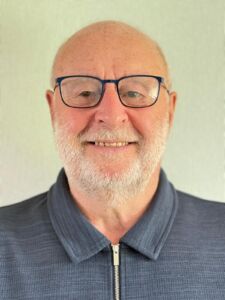 Ken was invited for a lung health check when a mobile scanning unit was parked at Morrisons in Bolton.
The granddad-of-five had no symptoms, so initially thought he wouldn’t go, but changed his mind. A few days later Ken was asked to go for a further scan in hospital, and after some more checks was told he had stage 1 lung cancer. Ken underwent surgery, and, thanks to his early cancer detection, no further treatment was needed.
Ken said: “I ummed and ahhed about whether to go, but in the end, I went because it was so convenient, and I could park really easily!
“I answered the health questions with a nurse and then they offered me a scan on the truck that same day which I had too.
“They explained what would happen next and what the options were. I went to Oldham for a Positron Emission Tomography scan and then to Wythenshawe Hospital for a biopsy. This confirmed it was lung cancer, but it had been found at an early stage – stage 1 – and was treatable with surgery.
“I opted to have Robotic-assisted Thoracoscopic Surgery, and I feel incredibly positive about my outcome because the cancer was found so early.
“Now I just feel really lucky that I went for that lung health check as I so nearly didn’t go. And I’m telling everyone to go for theirs when they get the invite.
“It’s really good news that thousands of people in Greater Manchester and across England have had their lung cancer diagnosed by this NHS scheme. This enables people to start treatment sooner, which makes it much more likely it will be successful.
“Without this scheme many of us – like me – wouldn’t have known we had lung cancer and got help for it.”